The Fleet

Call it the Golden Age of Piracy and nobody on this water will argue with you. Ask which year it is and you will get a different answer in every port, which suits everyone fine. What is certain is the ships. Every hull below is real, the working vessels of the Spanish Main in the years when sugar and silver moved under sail and every cargo was worth someone's life.

In Iron Latitudes those hulls climb what captains call the ladder: ten ships, from the rowboat you build on a beach to the ship of the line nobody sails by accident, each rung earned before the next. And every rung asks the question the age asked its captains: what will you trade away to get what you want? Speed, guns, hold, draft. No ship gives you all four, and the ones that promise to are lying. Pick your ship, and the world will remember what you did with her.

Ten hulls, side by side

Four questions per hull.

Every hull in Iron Latitudes, with its build, role, handling and complement. Each name links to that hull's write-up further down this page.
HullBuildRoleHandlingComplement
The Yaloarsship's boatgoes in where the ship stands offyou
The Kutterone mast, a mainsail too big for hersmugglerturns inside anyone big enough to sink herone or two pairs of hands
The Schoonerfore-and-aftscoutsees everything, fights nothinga handful
The Sloopone mast, fore-and-aftthe measuring stickfaster than most that outgun hera proper crew
The Corvettesquare-rigged, single-deckedescortgives up speed for a hull that expects to be hit backa fighting crew
The Brigantinesquare fore, fore-and-aft mainraiderfast, points higha small crew
The Frigatesquare-rigged, one gun deckhuntercatches what she cannot out-turnhands enough to sail alone
The Fluytsquare-rigged, pear-hulledprizecannot fight, cannot runfew hands for so much hold
The Galleontowering square canvastreasure shipfaster downwind than anyone likes to believea crew, and soldiers besides
The Ship of the Linesquare-rigged, gun decks in tiersfortressmoves at the pace of policya crowd

The hulls, one by one

ship's boat

The Yal

Before you ever own a ship, you own a boat. The age of sail ran on small craft like this one: ship's boats that sounded the channel ahead, hauled the anchor out, and rowed the water casks ashore while the big hulls waited at anchor. No glory, all of the work.

In Iron Latitudes the yal is where every captain starts and where no captain ever quite stops. It is the boat you build on the beach when the sea has taken everything else, the proof that she floats and you sail. Later it is the last hundred yards of every landing: the ship stands off, the yal goes in. And it is the yal that rows you across the harbor the first time a shipwright pulls the tarp off a half-built keel and asks whether you are serious. Learn to love her. She will outlast ships you have not met yet.

In history: coming soon.
smuggler

The Kutter

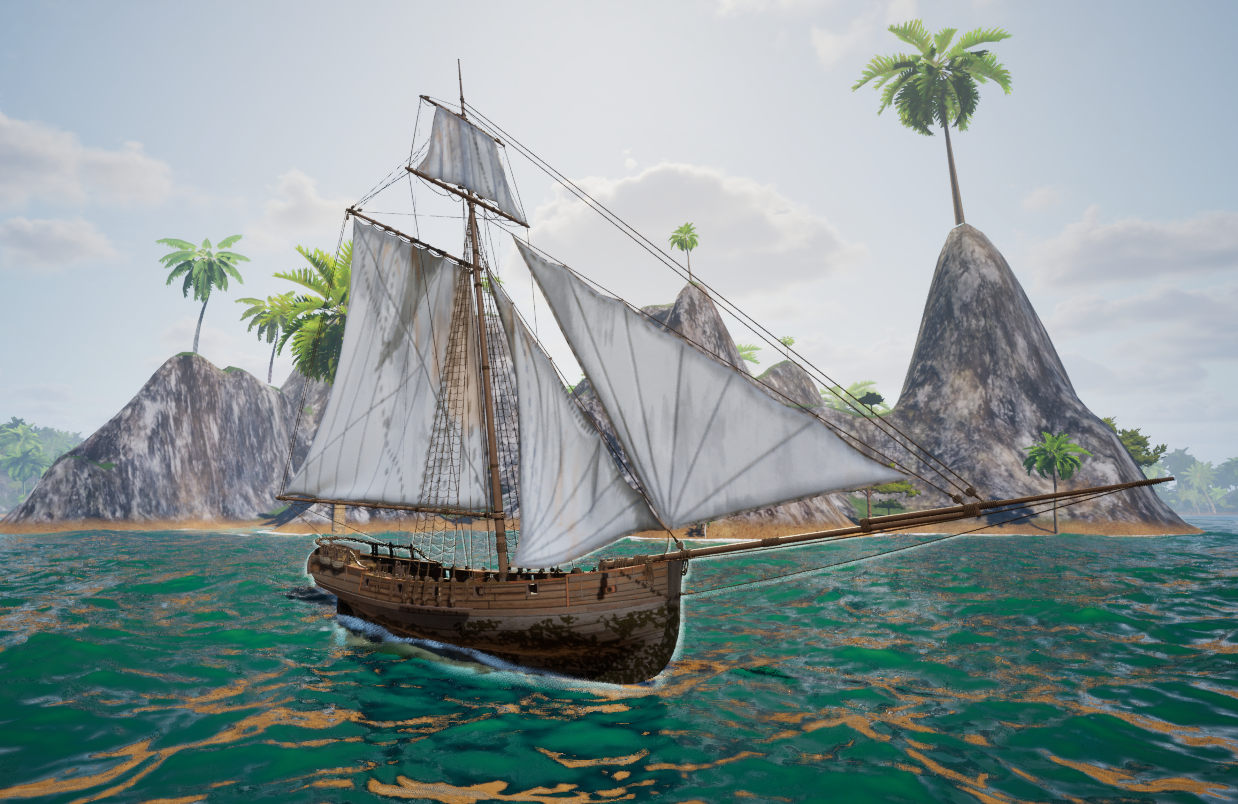
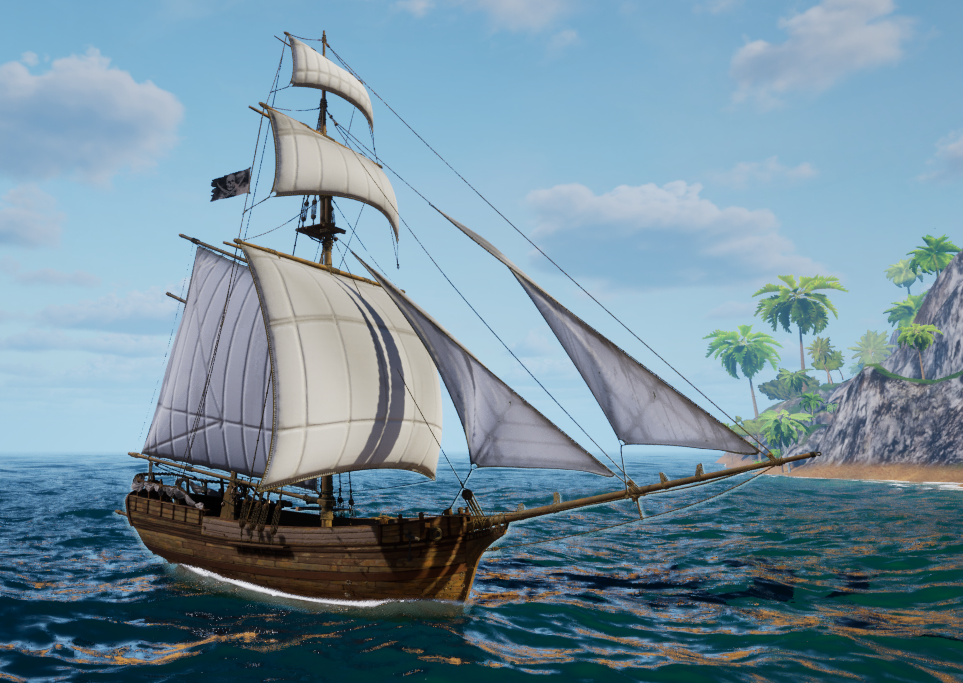
The Kutter off a palm-topped headland, one mast, a mainsail far too big for her, headsails crowding a long bowsprit, a skull flag at the masthead.

One mast, a bowsprit crowded with headsails, and a mainsail far too big for her: the kutter is the smuggler's cut of hull, built for the race between contraband and the customs house. The same lines served both sides of that chase, because the revenue men learned quickly that the only thing that catches a smuggler's cutter is another one.

She is the boat one or two pairs of hands can actually work, and she makes those hands do everything: helmsman, gunner, and lookout in the same minute. In Iron Latitudes the kutter is your first real ship, the rung above the yal. She carries a handful of light guns and no illusions. Her defense is that she turns inside anyone big enough to sink her, and her promise is simple: nothing in shallow water is faster than you, yet.

In history: coming soon.

scout

The Schooner

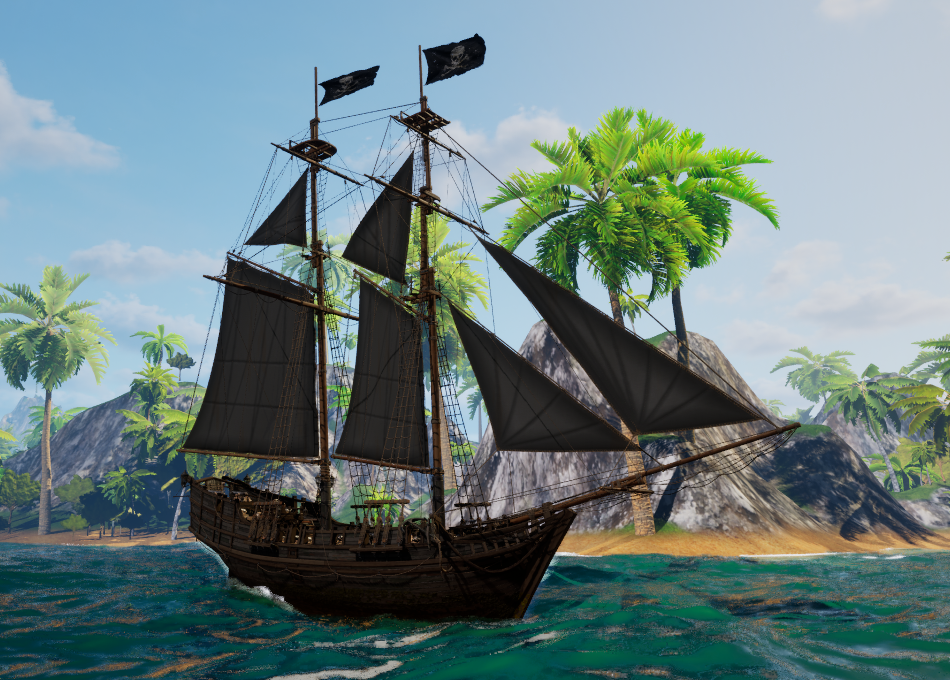
The Schooner off a rocky headland, dark canvas set, headsails run to the bowsprit, skull flags at both mastheads.

Two masts, fore-and-aft canvas, and barely five feet of water needed under her keel: the schooner came out of the shipyards of colonial America at the very end of the pirate era, and she immediately became the boat of choice for everyone whose business could not survive an inspection. Fishermen loved her. Smugglers, privateers, and blockade runners loved her more. She points closer to the wind than any square-rigged ship afloat, which means she escapes through angles the hunter cannot even sail.

To the rest of the sea she is the quick silhouette on the horizon, the one you chase and rarely catch. In Iron Latitudes you get to be the silhouette. The schooner is the fastest hull on our ladder and one of the lightest armed, the fleet's scout and courier, the ship that sees everything and fights nothing. Sail her if you would rather know where the prize is than be the one who takes it. Half the fortunes in these islands started exactly that way.

In history: coming soon.

the measuring stick

The Sloop

The Sloop running a channel between rocky islets under a hazy sky, one mast, a tall mainsail and a big headsail drawing, no colors flying.

If the Golden Age of Piracy has one true ship, this is it. Built first in numbers in Jamaica and perfected in Bermuda, the sloop put a dozen guns and a crew of dozens on a hull drawing eight feet of water, and could still run past twelve knots. Shallow draft meant sanctuary: a sloop could stand in over reefs and banks where a frigate dared not follow. The famous names of the 1710s, Hornigold, Vane, Rackham, made their living from exactly this trick.

In Iron Latitudes the sloop is the measuring stick. Every other hull on the ladder is priced against her: faster than most things that outgun her, better armed than everything that outruns her. She is the ship most captains fight their first real battle in, and the one a surprising number never give up.

In history: coming soon.

escort

The Corvette

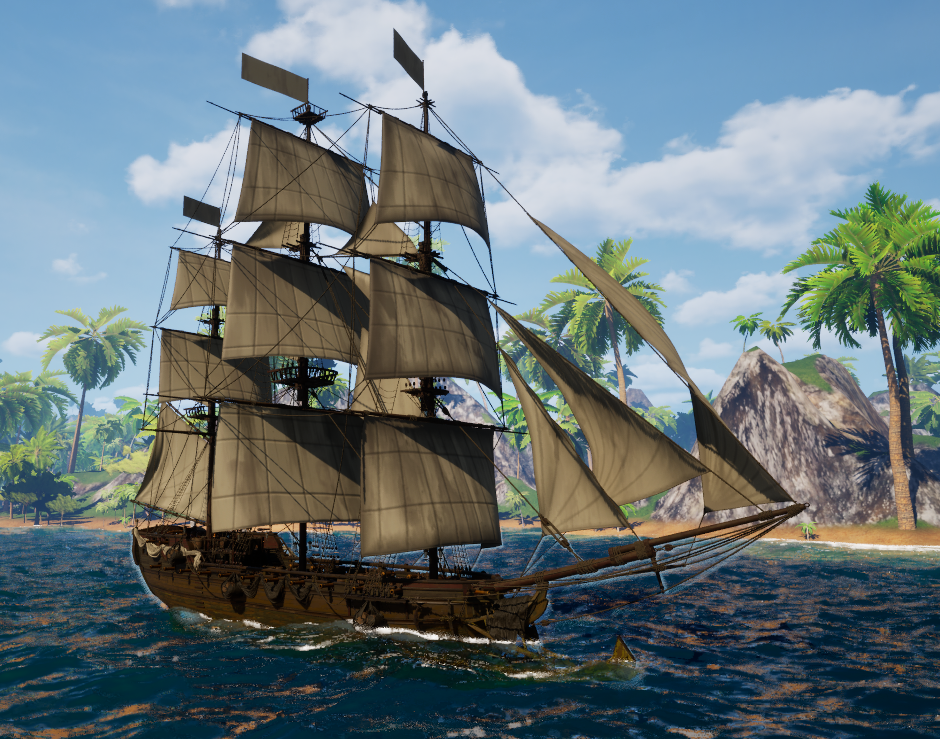
The Corvette close under the palms, tan weathered sails set, gray flags aloft, headsails run to a long bowsprit.

The French navy coined the name in the 1670s for its small, single-decked warships: coastal patrol, convoy escort, showing the flag in harbors that would never see a ship of the line. The corvette is the sloop's cousin raised in uniform, the smallest hull in the age that was built as a warship first and everything else second.

On our ladder the corvette is the door into the fighting trade. She gives up the sloop's quickness for a heavier broadside and a hull that expects to be hit back. Navies patrol in her, escort merchants in her, and hunt small pirates in her, which tells you exactly who ends up on the wrong side of one. Sail her when raiding stops being an adventure and starts being a profession.

In history: coming soon.

raider

The Brigantine

The name comes from the Italian brigantino: the brigand's ship. Mediterranean corsairs sailed the first of them under oar and sail together, and by the 17th century the brigantine had settled into the shape the Atlantic knew: two masts, square canvas forward to run hard before the wind, fore-and-aft canvas aft to claw across it. One rig for the chase, one rig for the escape, on the same ship.

In Iron Latitudes the brigantine is the pirate's pirate ship: a serious broadside on a hull that still moves like it has somewhere to be. She is the workhorse of every ambitious crew, big enough to frighten a merchantman into striking her colors, quick enough to be gone before the escort comes over the horizon.

In history: coming soon.

hunter

The Frigate

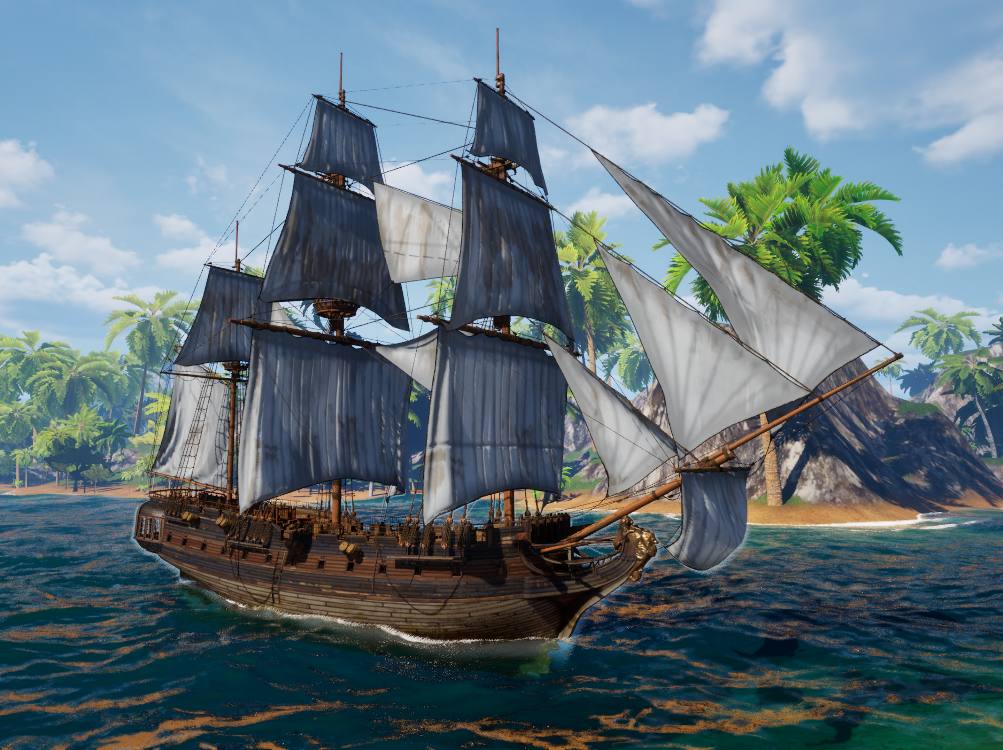
The Frigate off a rocky headland, gray weathered canvas set, a gilded figurehead at the bow, no colors flying.

The word began with the fast raiders sailed by the privateers of Dunkirk, and through the 17th century "frigate-built" simply meant built for speed. What the navies made of it became the definitive cruiser of the age: her main battery on a single deck, fast enough to catch almost anything, strong enough to break what she caught, and trusted to sail alone, far from the fleet, on her captain's own judgment.

In Iron Latitudes the frigate is the apex of the working ladder: the hunter. She catches what she cannot out-turn and breaks what she catches. Governors send frigates when they stop sending warnings. Owning one changes how the map reads, because from her quarterdeck most of what you sight is prey. The question the frigate asks is no longer can you win, it is what winning is going to make of you.

In history: coming soon.

prize

The Fluyt

The Fluyt standing off a beach, her round pear bellied hull plainly visible, modest canvas, black flags flying.

The Dutch built the fluyt to do one thing: carry the most cargo with the fewest men, at the lowest cost, anywhere on earth. Launched from the port of Hoorn in the 1590s, pear-hulled and plain, she needed a crew of ten where other nations needed thirty, and she carried little or no armament at all. By the 1660s there were well over a thousand of them, and they had quietly made the Dutch carrying trade the wonder of Europe.

Every pirate game has a ship the player marks as prey the moment it crests the horizon, and the fluyt is the original. She cannot fight you. She cannot outrun you. What she can do is be worth more than everything you own.

In Iron Latitudes the fluyt is the prize the whole economy sails toward: a floating hold with a stout heart and almost nothing else. Taking one is easy. Getting her home through waters where every other captain has seen the same fat silhouette, crewing her, and selling the cargo before the insurers hear of it: that is the game.

In history: coming soon.

treasure ship

The Galleon

The Galleon riding an open roadstead, high stern castle, towering canvas, black flags fore and aft.

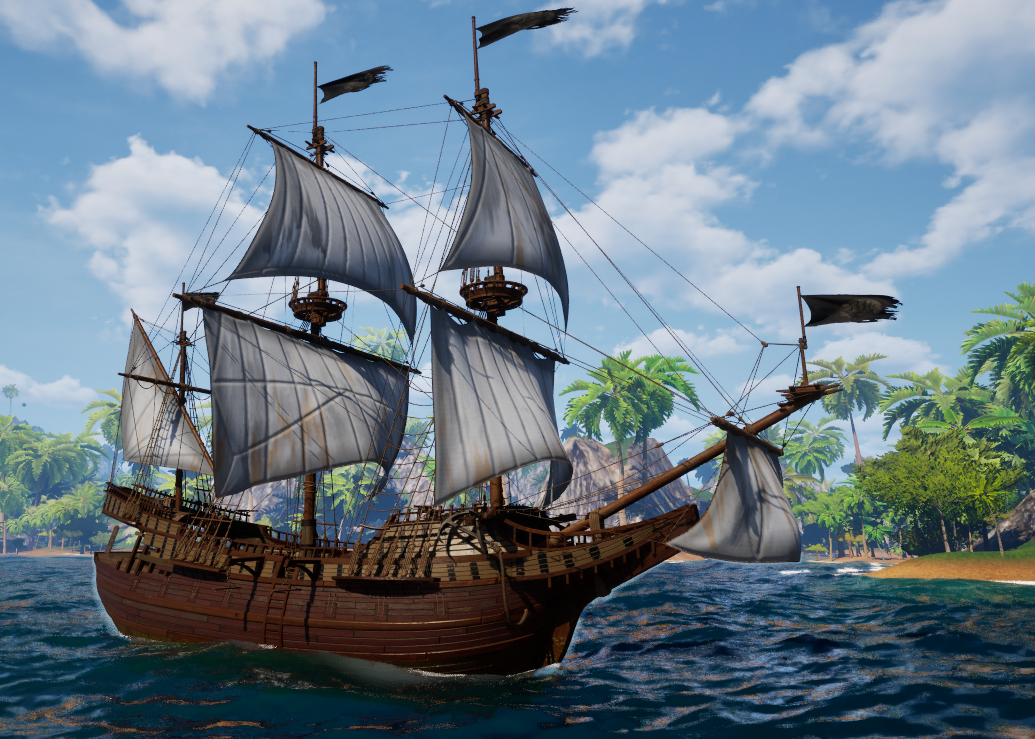
The galleon carried empires. For a century and a half the Spanish treasure fleets sailed on her decks: two convoys a year hauling the silver of Peru and Mexico across the Atlantic, and from 1565 the Manila galleons bringing silk and porcelain across the whole Pacific. She is remembered as a victim, but the record says otherwise. The Manila galleons made that crossing for two hundred and fifty years as the most tempting target on any ocean, and in all that time only four of them were ever taken at sea. The Atlantic fleets were nearly as hard a mark: in all their years of sailing they were caught in force exactly once, by Piet Heyn's Dutch fleet at Matanzas Bay in 1628, and the age never let Spain forget it. Treasure galleons sailed heavily gunned, packed with soldiers, and, with that towering canvas set and the wind astern, faster than anyone likes to believe.

In Iron Latitudes the galleon is exactly what she was: the escorted mountain of wealth at the heart of the Spanish sea, the prize of a career rather than an afternoon. And for the very few who take one and keep her, she becomes something else again: a hold like a treasury and a stern like a fortress, flying whatever colors you have earned the right to fly.

In history: coming soon.

fortress

The Ship of the Line

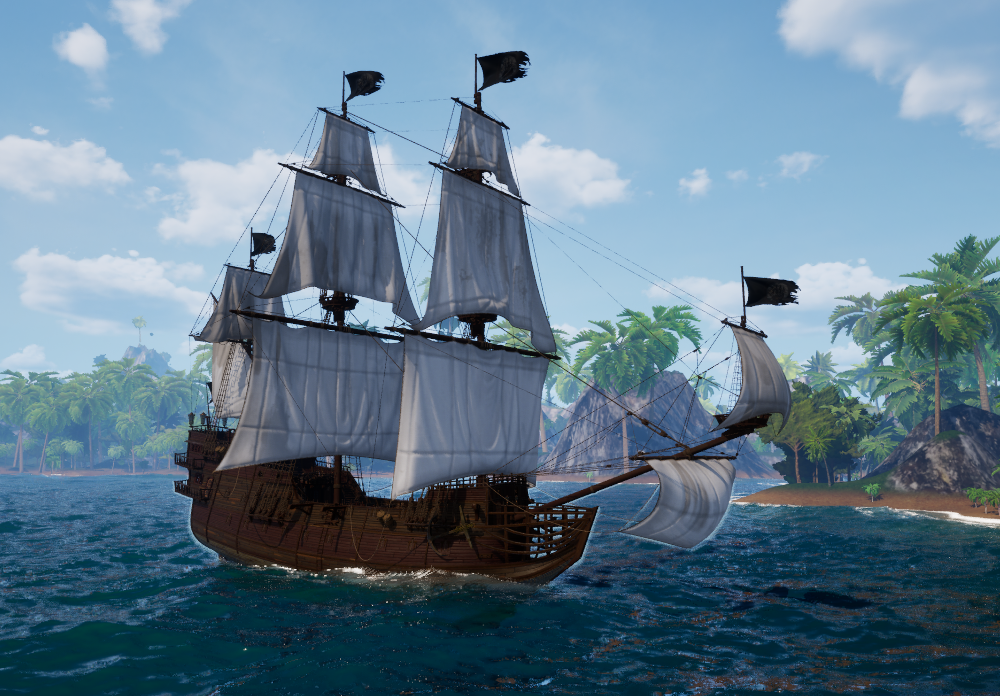
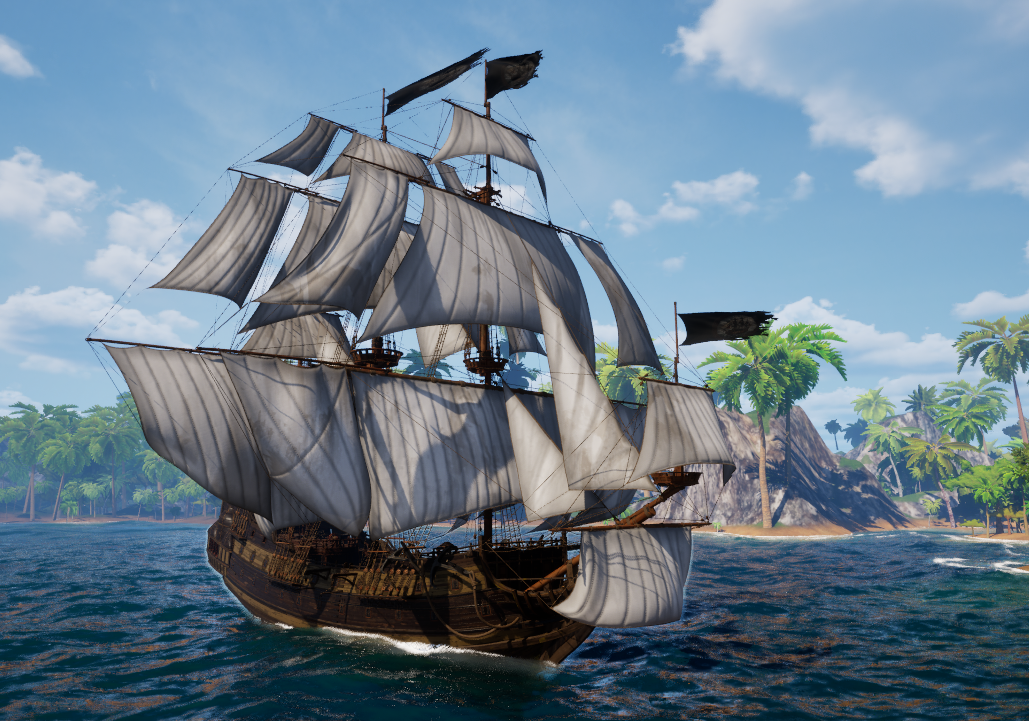
The Ship of the Line heeled under a full press of sail, canvas stacked in tiers, black flags high.

In the middle of the 17th century, the English and Dutch fleets learned to fight in a single file of broadsides, a wall of oak running to the horizon, and the ship built to stand in that wall took its name from the tactic. Two and three gun decks. Sixty guns, eighty, more than a hundred on the greatest of them, served by crews of many hundreds. Nothing else afloat could stand in her line, and everything afloat knew it.

In Iron Latitudes she is the rarest sight on the water and the endgame of the fleet ladder: a floating fortress that moves at the pace of policy, not pursuit. Nobody sails one by accident. A ship of the line is not really a ship at all, she is a statement, and the world that remembers everything will remember who made it.

In history: coming soon.